
An Anthropological study of a species
2010-2025














+info
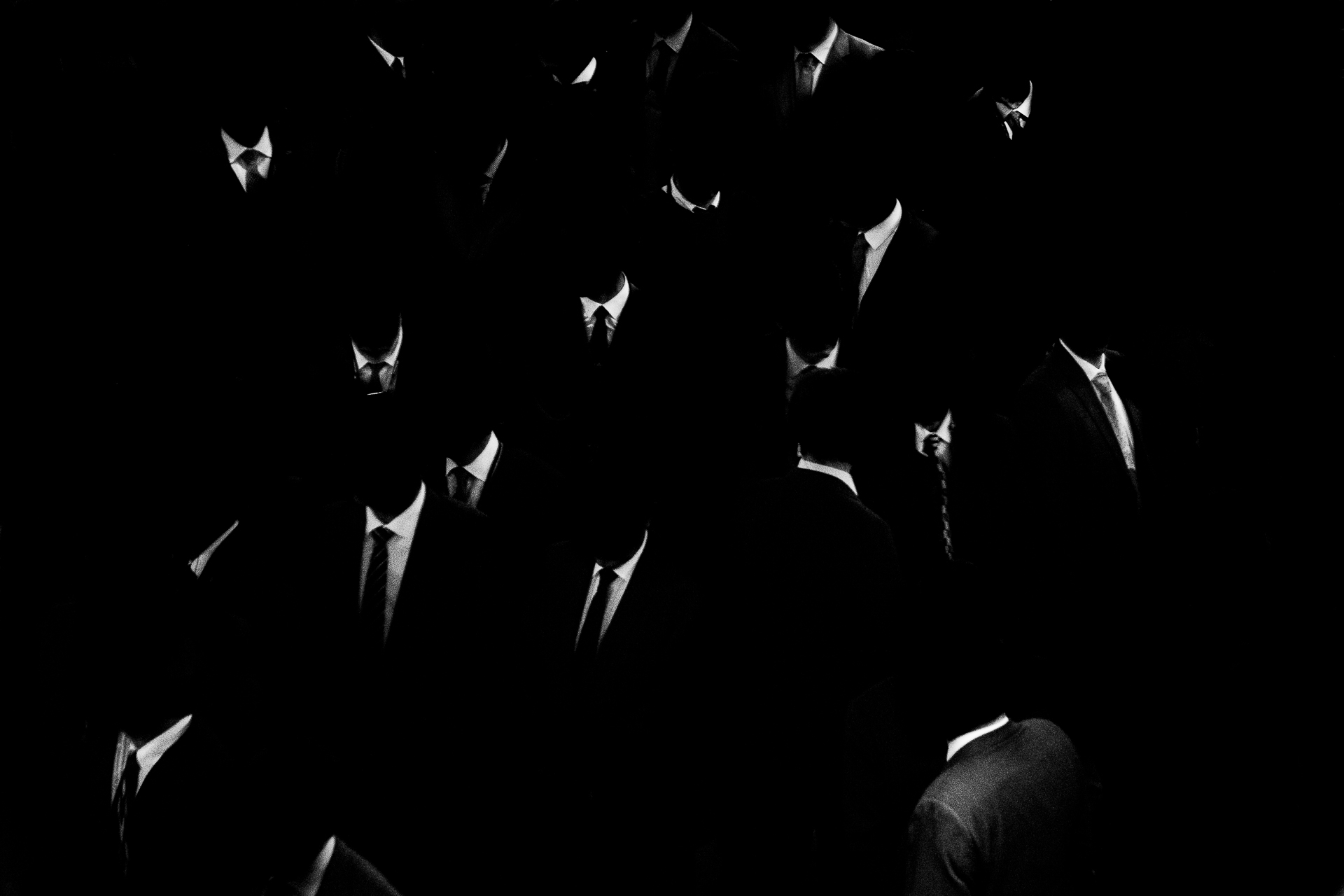
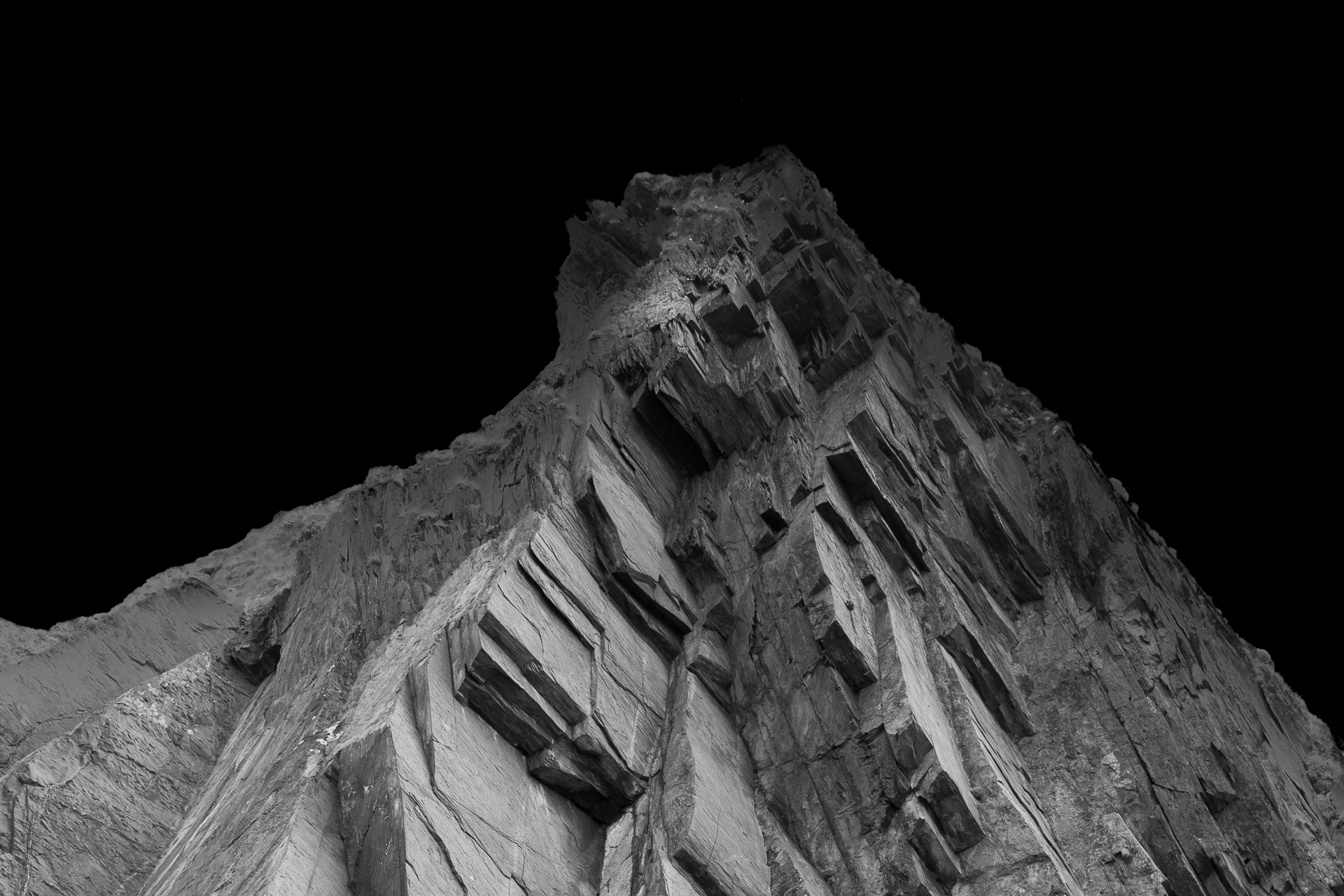
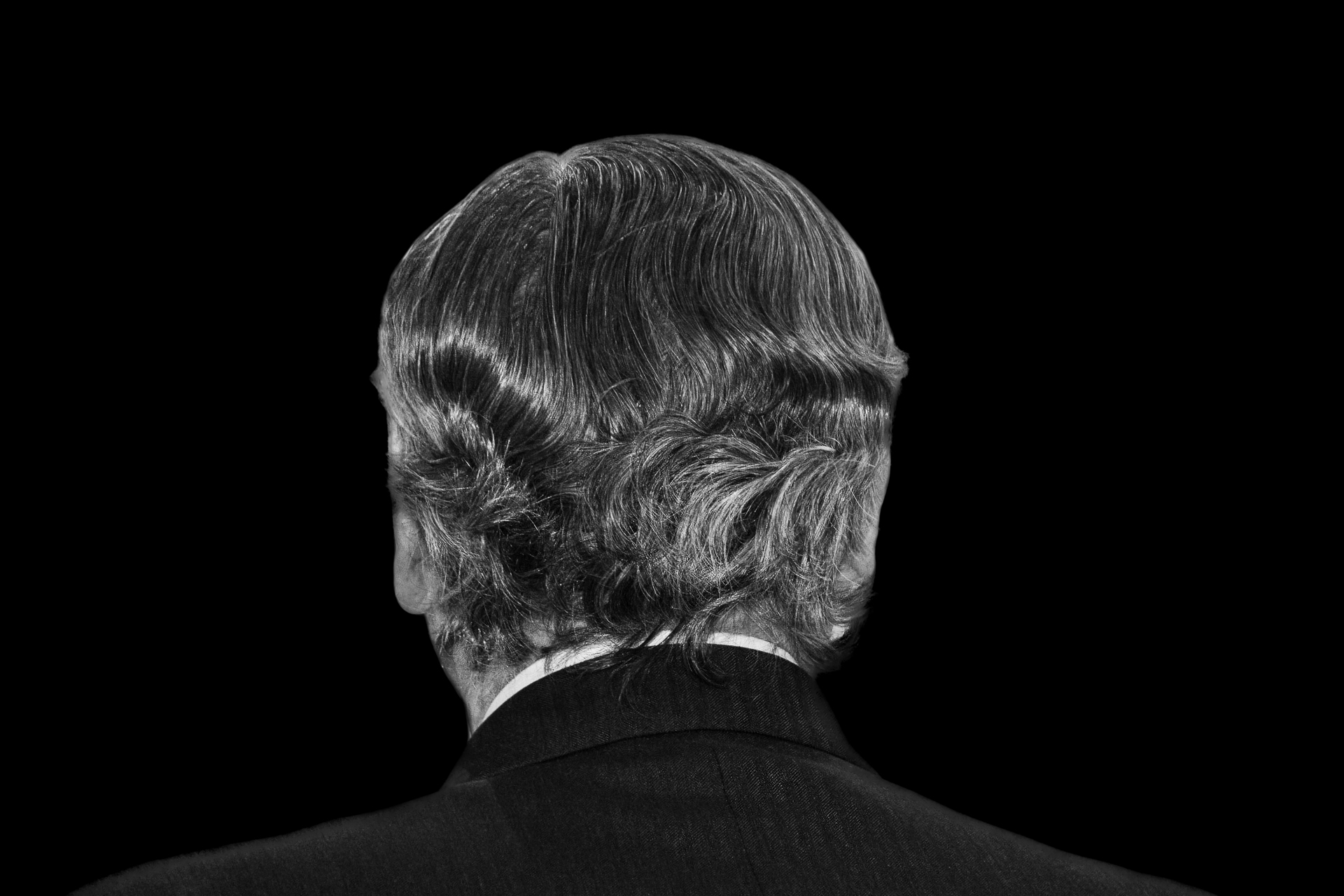
Men in Grey Suits: An Anthropological Study of a Species. The man in the grey suit does not belong to a specific era or political system. He reproduces in cycles, adapts to economic and technological transformations, and maintains his behavioral codes intact. He is an anonymous figure, indispensable for the continuity of power. He can be found at all levels of the organization, sharing the same rituals and acting as both observer and observed. Cameras and surveillance are part of his nature, controlling and at the same time being controlled. The research is developed through four categories derived from observation, which allow the analysis of his social and affective practices as mechanisms that maintain and perpetuate the system to which this anonymous army belongs.
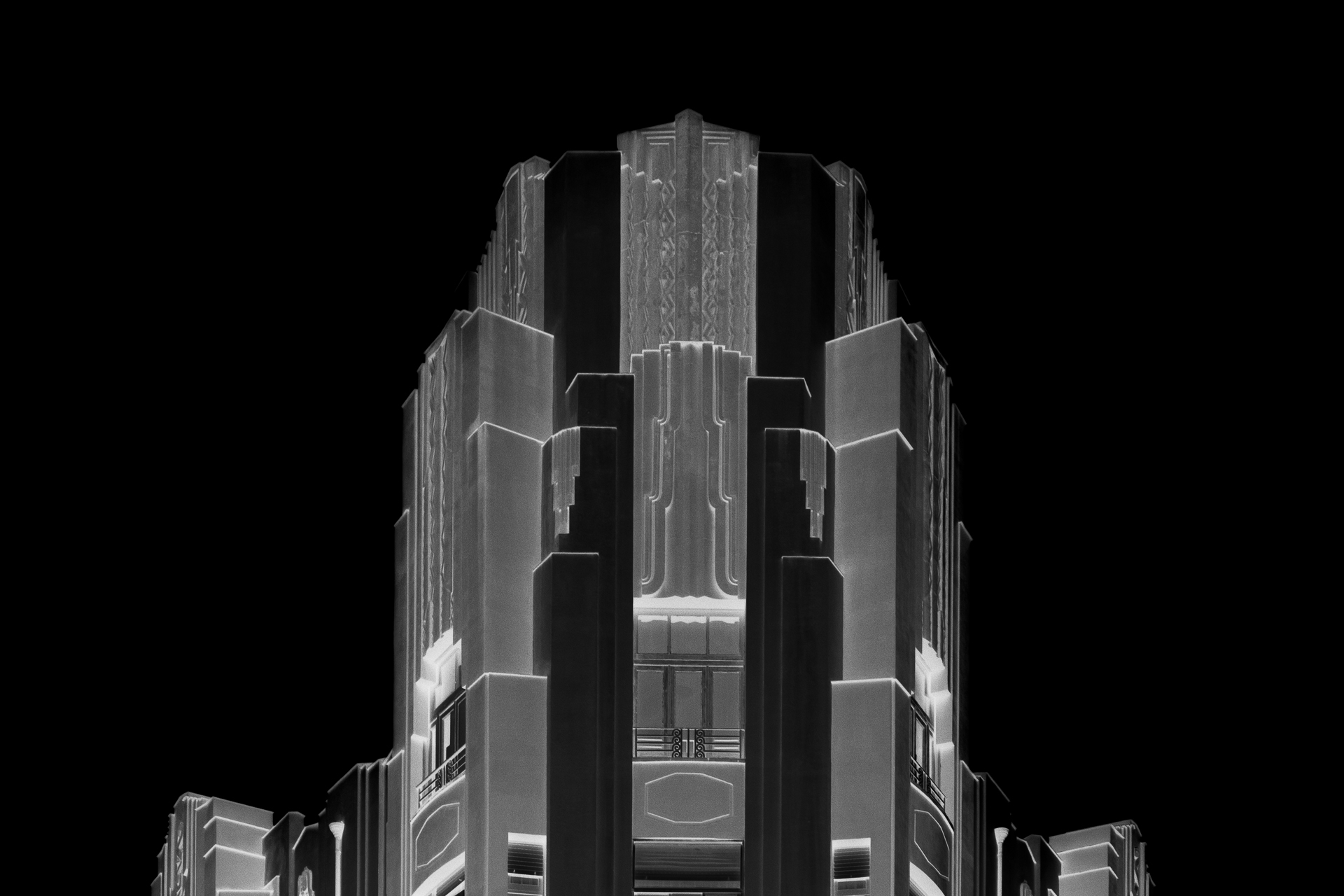
THE HOME: The home of the man in the grey suit is not an intimate space but the place where he works for most of his life. Offices, skyscrapers, and corporate environments replace traditional housing. There he finds belonging, identity, and purpose. It is a monitored, regulated, and normalized space, assumed as both refuge and destiny.
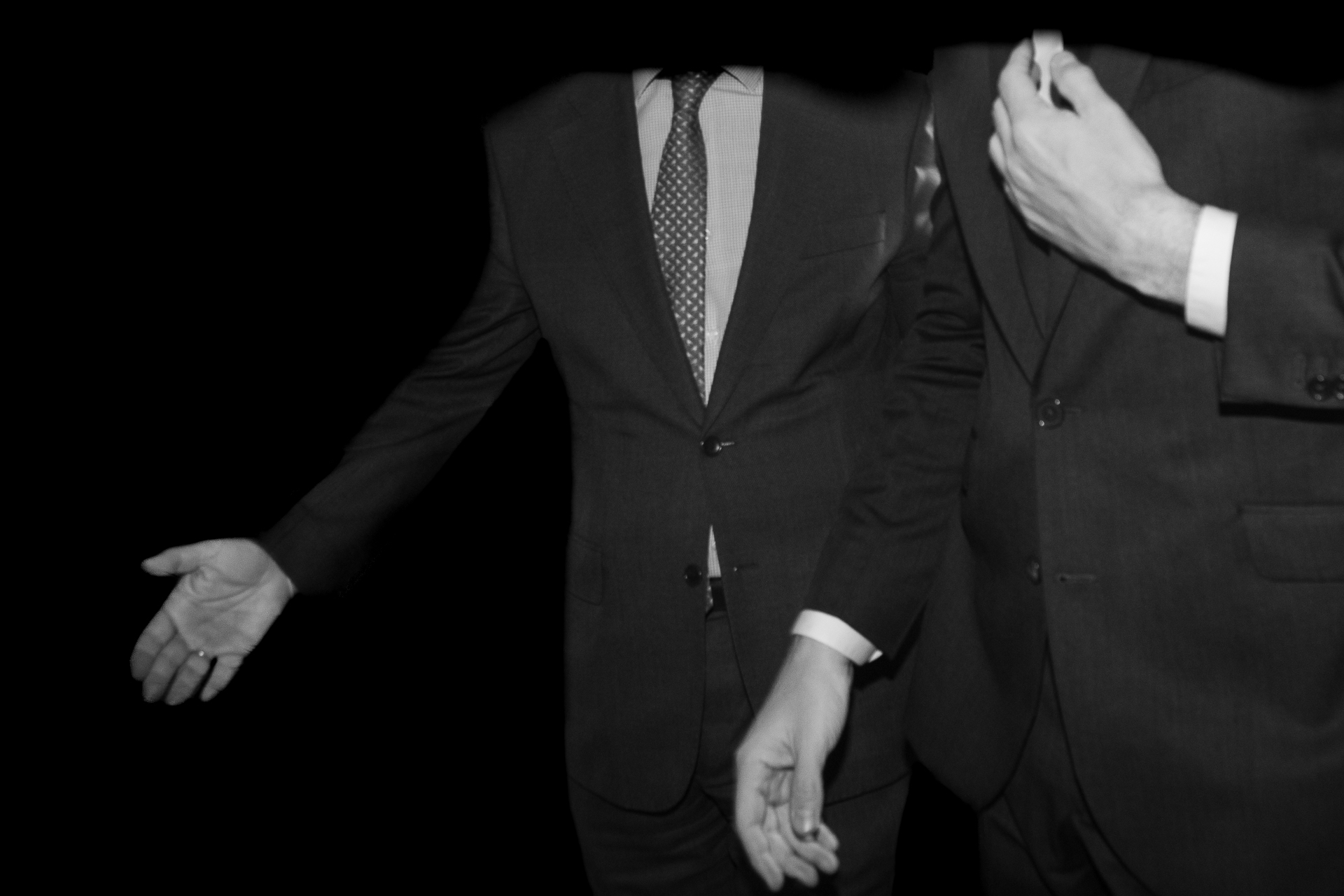
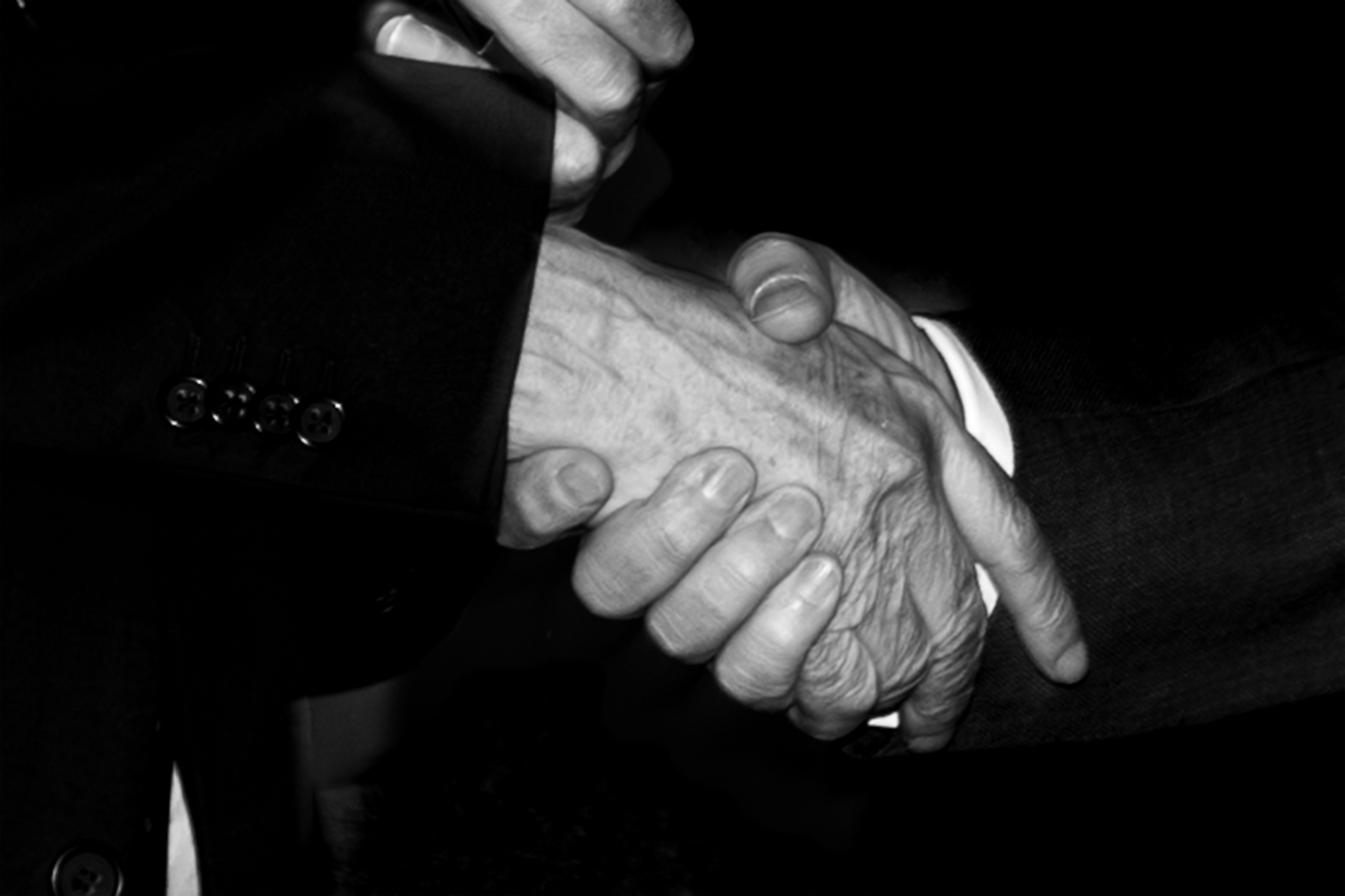
THE DANCE: Outside the home, the man in the grey suit relates to other members of his species. These encounters function as a social ritual where power, recognition, and hierarchy are activated. Like a precise choreography, gestures and distances are carefully coded. Each movement reinforces and acknowledges the hierarchy of command.
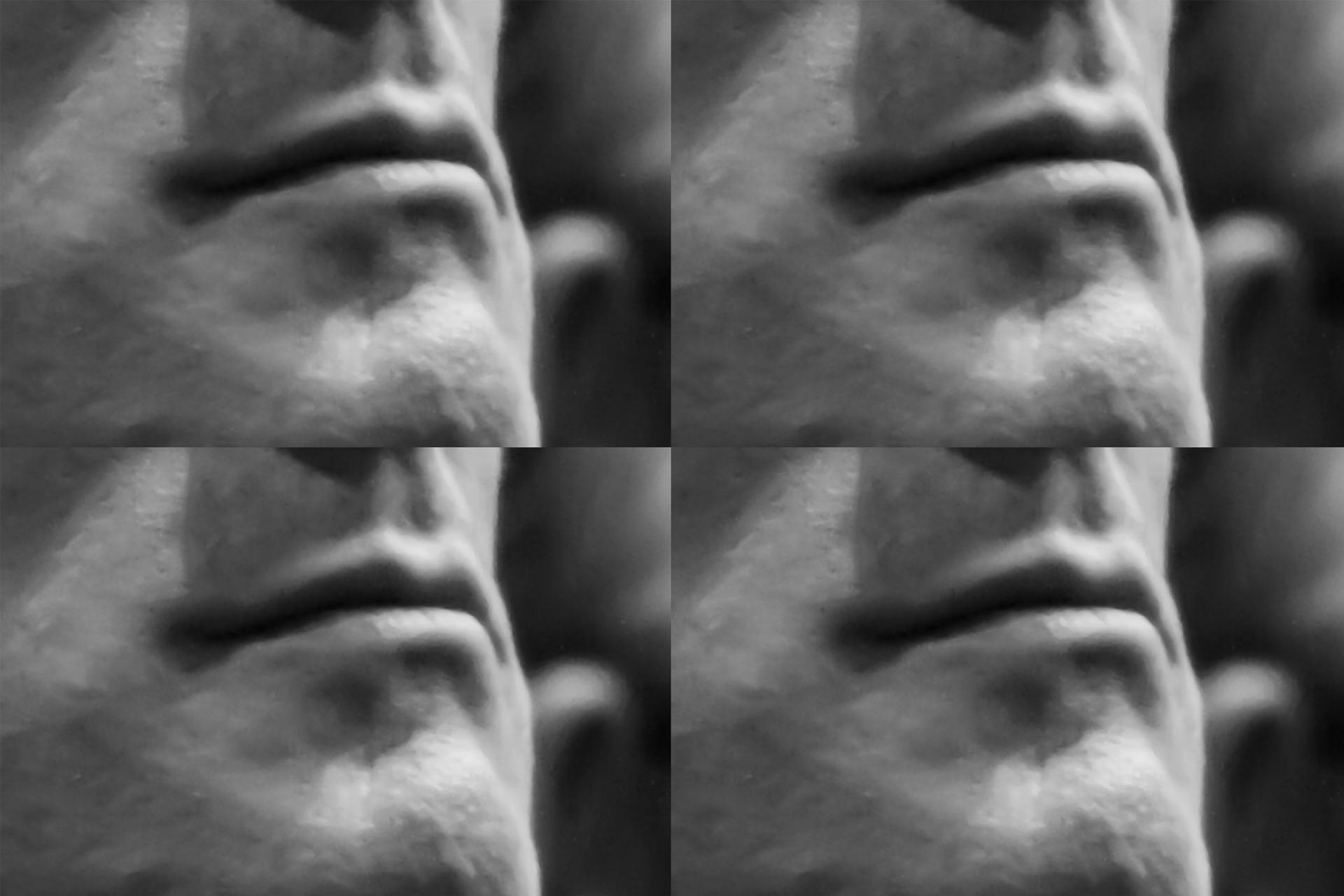
THE FRIENDSHIP: Friendship appears as a functional construct. These are bonds marked by convenience, sustained by rehearsed smiles, forced gestures, and strategic cordiality. In this ecosystem, loyalty is fragile and reversible; the other is always a potential ally, but also a competitor.
THE LOVE: Love is not directed toward another individual but toward an abstract entity: the leader, the company, or the brand. It is unconditional love, fueled by the promise of belonging and promotion. This affection replaces other forms of bonds and acts as a mechanism of cohesion and obedience.
The project stems from a personal experience accumulated over thirty-five years in corporate environments inhabited by men in grey suits. Developed over a period of fifteen years, it constructs an anthropological study of a species through sustained observation of its ways of behaving and relating to one another.
As I was not perceived as a threat to access spaces of power because I am a woman, I was able to observe more clearly how, beyond specific individuals, patterns of behaviour are repeated, following an inherited pattern.
Through this research, I seek to make visible this singular species of men in grey suits. A species that develops within a fictional world, yet has a profound impact on the real world.
_______
Men in Grey Suits: estudio antropológico de una especie. El hombre de traje gris no pertenece a una época concreta ni a un sistema político determinado. Se reproduce en ciclos, se adapta a las transformaciones económicas y tecnológicas, y mantiene intactos sus códigos de comportamiento. Es una figura anónima, indispensable para la continuidad del poder. Se encuentra en todos los niveles de la organización, compartiendo los mismos rituales y actuando como observador y observado. Cámaras y vigilancia forman parte de su naturaleza, controlando y a la vez siendo controlados. La investigación se desarrolla a través de cuatro categorías derivadas de la observación, que permiten analizar sus prácticas sociales y afectivas como mecanismos que mantienen y perpetúan el sistema al que pertenece este ejército anónimo.
EL HOGAR: El hogar del hombre de traje gris no es un espacio íntimo, sino el lugar donde trabaja durante la mayor parte de su vida. Oficinas, rascacielos y entornos corporativos sustituyen a la vivienda tradicional. Allí encuentra pertenencia, identidad y propósito. Es un espacio vigilado, reglado y normalizado, asumido como refugio y como destino.
EL BAILE: Fuera del hogar, el hombre de traje gris se relaciona con otros miembros de su especie. Estos encuentros funcionan como un ritual social donde se activan dinámicas de poder, reconocimiento y jerarquía. Como en una coreografía precisa, los gestos y las distancias están cuidadosamente codificados. Cada movimiento refuerza y reconoce la jerarquía de mando.
LA AMISTAD:La amistad aparece como una construcción funcional. Son vínculos marcados por la conveniencia, sostenidos por sonrisas ensayadas, gestos forzados y una cordialidad estratégica. En este ecosistema, la lealtad es frágil y reversible; el otro es siempre un posible aliado, pero también un competidor.
EL AMOR: El amor no se dirige a otro individuo, sino a una entidad abstracta: el líder, la empresa, la marca. Es un amor incondicional, alimentado por la promesa de pertenencia y ascenso. Este afecto sustituye a otras formas de vínculo y actúa como mecanismo de cohesión y obediencia.
El proyecto nace de una experiencia personal acumulada durante treinta y cinco años en entornos corporativos habitados por hombres de traje gris. Desarrollado a lo largo de quince años, construye el estudio antropológico de una especie a partir de una observación continuada de sus formas de actuar y relacionarse.
Al no ser considerada una amenaza para acceder a los espacios de poder por el hecho de ser mujer, he podido observar con mayor claridad cómo, más allá de los individuos concretos, se repiten dinámicas que responden a un patrón heredado.
A través de esta investigación, pretendo hacer visible a esta singular especie de hombres de traje gris. Una especie que se desarrolla en un mundo ficticio, pero que tiene una gran repercusión en el mundo real.
Shortlisted (Top 10), LUMA Rencontres Dummy Book Award 2026, Les Rencontres d'Arles